Table Of Content
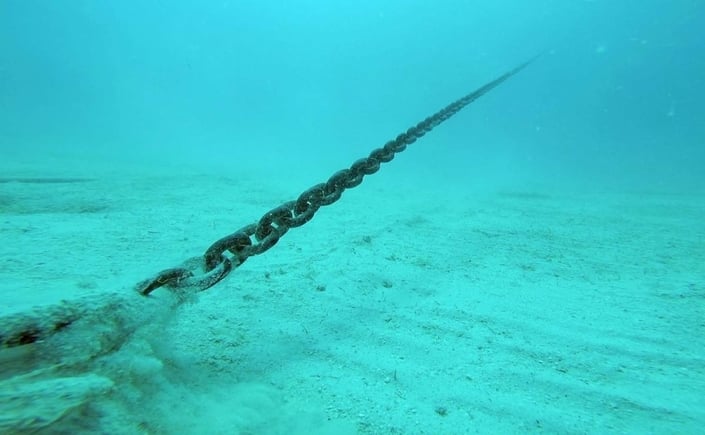
This chain is connected to both sides of the bow of the vessel and helps hold it in place. Keep reading to learn how big a cruise ship anchor is and other important frequently asked questions. Larger cruise ships may have a third backup anchor installed.
How Big Is A Cruise Ship Anchor?
If this was not the case, dropping and retrieving the anchor would be much rougher. The largest ship detailed by the iacs equipment number calculation would require a 46,000kg anchor. A ship with a 46 metric ton anchor would need an anchor chain of at least 770 metres. Dynamic positioning was created in the 1960s for offshore drilling but it is a relatively new piece of cruise ship technology.
How often are cruise ship anchor chains inspected?
Anchors use their substantial weight to keep the ship motionless while they rest against the ocean floor. They maintain the ship’s position by opposing the effects of waves and currents. However, because they don’t use any fuel, anchors are far more cost-effective for keeping the ship stationary.
How Heavy Is an Anchor on a Cruise Ship?
Cruise ship anchors in San Francisco after mystery illness sickens passengers - KRON4
Cruise ship anchors in San Francisco after mystery illness sickens passengers.
Posted: Wed, 07 Feb 2024 08:00:00 GMT [source]
Whenever the forces subside, the chain slackens, and some of it falls back on the seabed as the ship eases back toward the anchor. Assuming an average human weight of 80kg, an anchor weighing to kilos would be 125 to 168 times heavier. While most of this equipment is located within the ship’s bridge, some components of the equipment are located on exterior surfaces, like satellite dishes and radar antennas. The reason this part of the ship is home to all of this equipment is for the simple fact that it offers the best views of the path ahead of the ship.
Are there any restrictions for tendering?
However, the most common type of anchor found on cruise ships is the stockless anchor. A cruise ship anchor is a device that keeps a vessel in place. The anchor is lowered from the vessel using a heavy anchor chain and digs into the seabed to ensure the ship stays stationary in the water. In some cases, the waters the cruise ship traverses can also be a factor when determining how large the anchor chain needs to be. For example, large ships that traverse deep waters with strong currents need a much larger anchor and anchor chain than small boats on shallow water that stay close to the coastline. The weight of anchor chains plays an important role in holding a cruise ship in position, much more so than the weight of the anchor itself.
Then, it’s hauled all the way back up into the hawsepipe and the message is ‘anchor home’. If this is unsuccessful again the vessel keeps tracking anchor, the only remedy is to pick up the anchor and go and steam off somewhere safe and just drift. The first method would be to lengthen the cable so you have a longer catenary. If this is unsuccessful, then the crew may have to pick the anchor up again and re-anchor in a different position. One shackle of the chain is 15 fathoms long, this equates to 90 feet or approximately 27 metres. There are also the logistics of transporting such a heavy item and the additional costs of installing the anchor.
What is open tender on a cruise?
Cruise lines always prioritize the safety of passengers, so all areas that are not restricted in access are made as safe as possible. While visiting any part of the bow, you will notice posted guidelines and members of the ship’s crew. Handrails and non-slip surfaces are common at the ship’s bow, especially on outdoor observation decks.
ROYAL CARIBBEAN GIFT Card

To recover the anchor, the process of dropping it is reversed. The officer on the bridge lets the captain know which way the cable is laying and how much weight is in it. Then, the ship will turn towards the cable to take the weight off it, and the anchor will be heaved back up onto the ship. The process involves lowering the anchor until it just touches the bottom, causing the ship to turn on that position.
Purpose of a Ship’s Anchor
It typically takes a few minutes for a cruise ship to anchor. The time it takes depends on the weight of the anchor and the strength of the current. By the Middle Ages, anchors were made of iron and had a shank (the vertical part of the anchor) and a fluke (the horizontal part of the anchor).
This provides extra weight and slack to the chain, which can absorb forces from the ship’s movement. This is a design of anchor that has particularly heavy flukes which are connected to a shank. That said, they may close the outdoor portion of the observation deck if the weather conditions would make it dangerous. Again, all cruise lines prioritize passenger safety, so access to any part of the ship always depends on whether or not it is safe to enter. Most modern ships will also feature observation lounges on higher decks near the ship’s bow. Just like the forecastle, the main attraction of these lounges is the unobstructed views they provide of the horizon.
Some ships will even feature infinity pools, hot tubs, and other amenities guests can enjoy at the forecastle while they look out into the open water and incoming waves. Priority access is only available for ship-to-shore tendering. When returning to the ship, all passengers wait in the same line. Passengers who’ve booked shore excursions directly through the cruise line will have priority tendering to make sure the tour groups meet their guides on time.
The thickness of the chains and the anchor they are intended to hold determine their length and thickness, respectively. To enhance the corrosion resistance of the anchor chain, most are given additional coatings and surface treatments to enhance the anchor chain’s corrosion resistance. Galvanization and various types of specialized coatings are used for the individual links of the anchor chain. All links within the chain are also designed to be the exact same size. They also need to be precisely spaced so that each link has the same freedom to move as the next.
So if you have 50 points on Royal Caribbean and sail for a week on a Celebrity cruise, you won’t then have 57 points on Royal Caribbean after the trip. Royal Caribbean is a sister line to other cruise lines owned by its parent company, namely Celebrity Cruises. In other words, you only get the benefits of being in a higher status tier on your next sailing. No matter what level you reach, there are some benefits awarded to your status. Obviously, the higher your level, the more perks and rewards that you will see. There is one tweak to know — you earn double points if you sail in suite accommodations.
In tender ports, where the ship is unable to moor to a land-based dock, cruise ship anchors are frequently utilized. Ships carry anchors on both port and starboard sides of the bow, either of which is capable of holding the ship in the anchorage in most cases. Often these two anchors have different lengths of chain depending upon the conditions encountered on the anchorage. Also, it is not uncommon for vessels to deploy both anchors in inclement weather or in an area with a fast current or high winds. In this case, expert seamanship is required to prevent them from becoming “fouled” or tangled. With individual links weighing so much, the anchor chain’s overall weight can easily be measured in tons.
While there are special circumstances where using two anchors can be beneficial, the reason for having two is mainly to have a backup in case one fails at the moment. Cruise companies not only prioritize fuel expenses, but they also have an environmental impact. An anchor on the Titanic weighed about sixteen tons in US currency. Cruise ship anchors are still a crucial component of ship construction, even with technological advancements. These surface treatments can not only delay corrosion, they can also help prevent scratching as the chain links rub against each other and even the hull. That said, the general range for a single link of the anchor’s chain tends to be between 11 lbs (5 kg) to about 290 lbs (130 kg).


No comments:
Post a Comment